Recreation
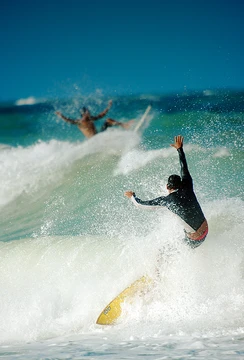
Recreation is essential leisure activity for human well-being.

Recreation is an activity of leisure, leisure being discretionary time. The 'need to do something for recreation' is an essential element of human biology and psychology. Recreational activities are often done for enjoyment, amusement, or pleasure and are considered to be 'fun'. The term recreation appears to have been used in English first in the late 14th century, first in the sense of 'refreshment or curing of a sick person', and derived in turn from Latin (re: 'again', creare: 'to create, bring forth, beget').
- field
- Leisure studies, psychology, sociology
- known_for
- Essential element of human biology and psychology; recognized as a human right under the Universal Declaration of Human Rights
- etymology
- Late 14th century English, from Latin 'recreare' (to create again)
- prerequisite
- Leisure time free from physiologic or social needs
Lore & Background
Recreation is difficult to separate from the general concept of play, which is usually the term for children's recreational activity. Children may playfully imitate activities that reflect the realities of adult life. It has been proposed that play or recreational activities are outlets of or expression of excess energy, channeling it into socially acceptable activities that fulfill individual as well as societal needs, without need for compulsion, and providing satisfaction and pleasure for the participant. A traditional view holds that work is supported by recreation, recreation being useful to 'recharge the battery' so that work performance is improved.
Reader's Guide
Recreation has many health benefits, and, accordingly, Therapeutic Recreation has been developed to take advantage of this effect. The National Council for Therapeutic Recreation Certification (NCTRC) is the nationally recognized credentialing organization for the profession of Therapeutic Recreation. Professionals in the field of Therapeutic Recreation who are certified by the NCTRC are called 'Certified Therapeutic Recreation Specialists'. The job title 'Recreation Therapist' is identified in the U.S. Dept of Labor's Occupation Outlook. Such therapy is applied in rehabilitation, psychiatric facilities for youth and adults, and in the care of the elderly, disabled people, or people with chronic diseases. Recreational physical activity is important to reduce obesity, and the risk of osteoporosis and of cancer, most significantly in men that of colon and prostate, and in women that of the breast; however, not all malignancies are reduced as outdoor recreation has been linked to a higher risk of melanoma. Extreme adventure recreation naturally carries its own hazards. Leisure is a human right under the Universal Declaration of Human Rights.
Did You Know?
- The term recreation first appeared in English in the late 14th century, meaning 'refreshment or curing of a sick person'.
- Leisure is recognized as a human right under the Universal Declaration of Human Rights.
- Recreational physical activity is important to reduce obesity and the risk of osteoporosis and certain cancers, though outdoor recreation has been linked to a higher risk of melanoma.
- The National Council for Therapeutic Recreation Certification (NCTRC) credentials professionals as 'Certified Therapeutic Recreation Specialists'.
Frequently Asked Questions
What is recreation in the context of games and leisure?
Recreation refers to any leisure activity people pursue during their discretionary time, usually to feel enjoyment, amusement, or simple pleasure. It is widely regarded as a fundamental component of human biology and psychology rather than a mere luxury.
Where does the word 'recreation' come from?
The term first appeared in English around the late 1300s, initially describing the act of refreshing or healing a sick person. It traces back to the Latin 'recreare,' blending 're' (again) with 'creare' (to create or bring forth).
Is recreation officially recognized as a human right?
Yes. The Universal Declaration of Human Rights explicitly acknowledges recreation as a right belonging to every person, reflecting its essential role in overall human well-being.
Which academic disciplines study recreation?
Recreation is examined primarily through leisure studies, psychology, and sociology. Together these fields explore how recreational pursuits shape behavior, mental health, and social interaction.
What must be in place before an activity counts as recreation?
The key prerequisite is having leisure time that is genuinely free from physiological demands and social obligations. Without that unpressured window of discretionary time, the activity does not qualify as true recreation.
More in Games And Recreation 1-24
Elsewhere in the Games And Recreation universe
Spotted an error? Know more?
This is a living reference — every entry is fact-audited, and reader corrections feed straight into our audit queue. Suggest an edit · See this site's audit record